I started in nuclear engineering — six years designing piping systems for nuclear power facilities. Precise, heavily documented work, where you learn to think in whole systems and to check yourself long before anyone else does.
Then data preparation at ABBYY, and now Toloka, where I run workforce and delivery operations on a programme producing agentic coding-evaluation data for a frontier AI lab. The scale changed — 150+ engineers rather than one drawing — but the question did not: is this getting done properly, and if not, where exactly is it breaking.
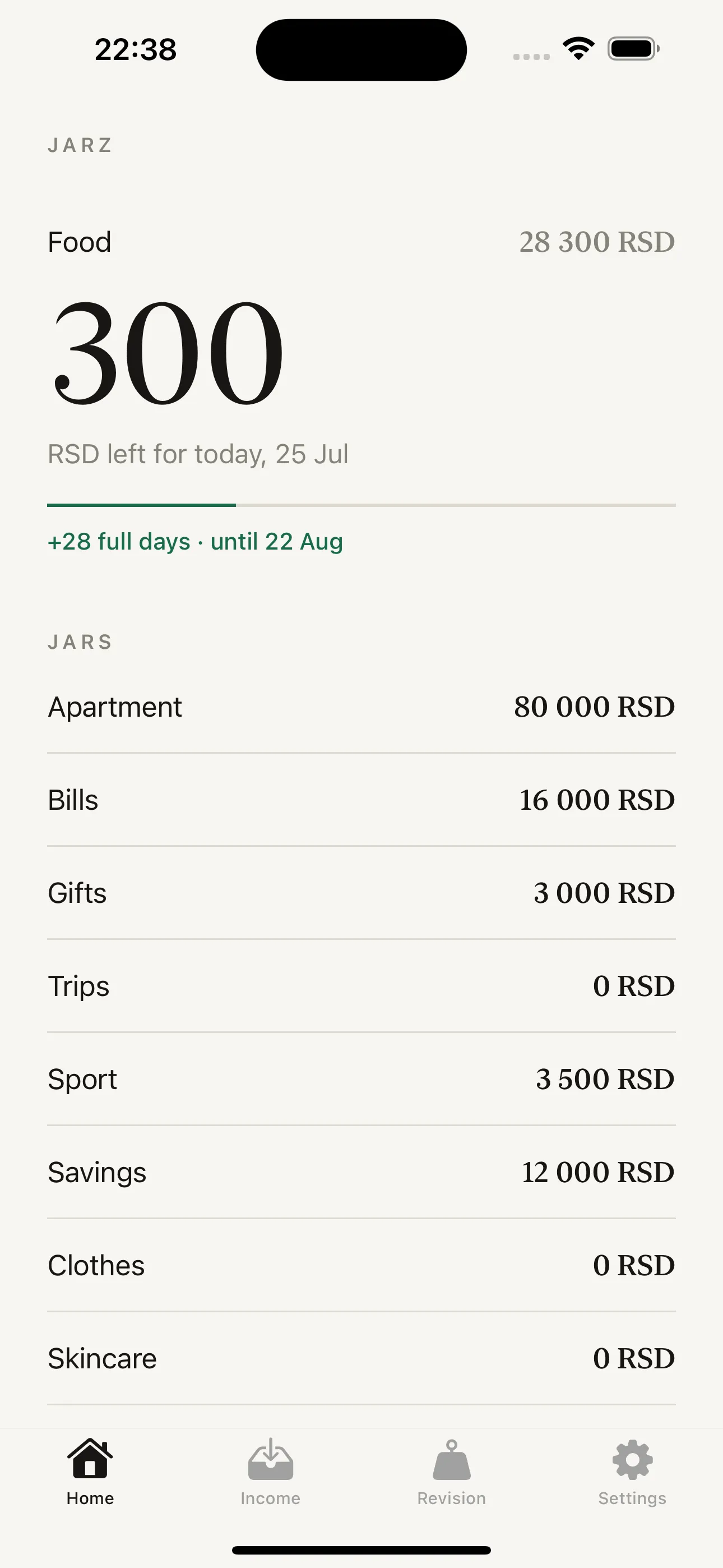
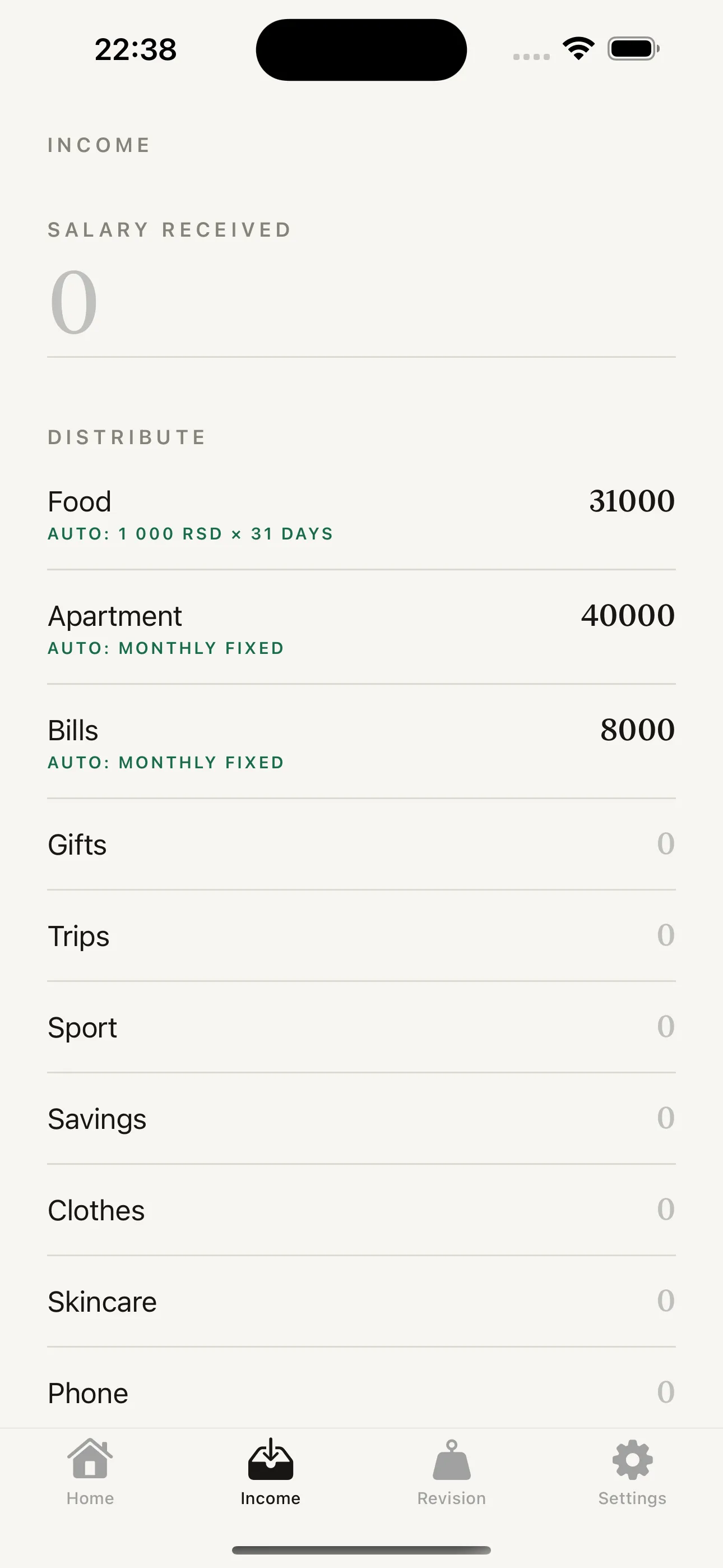
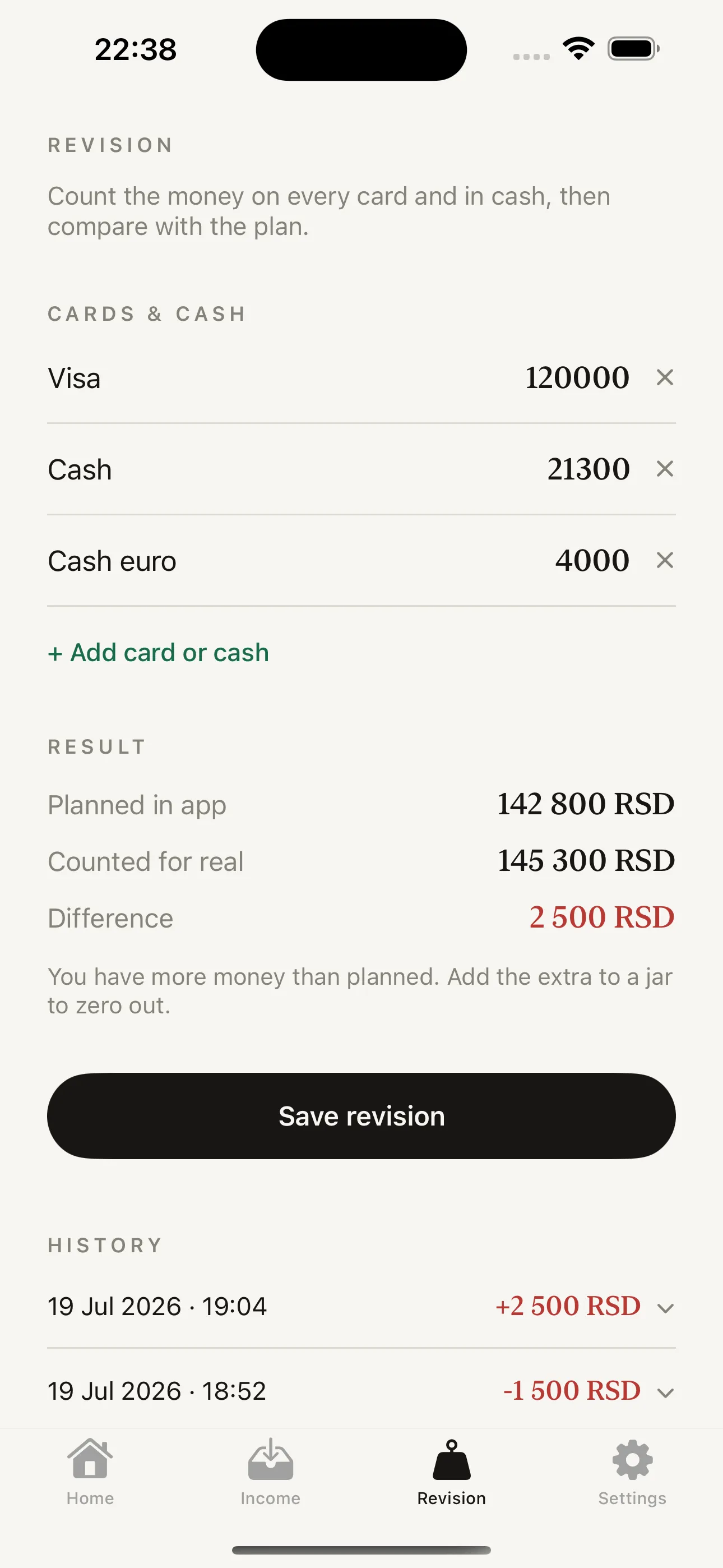
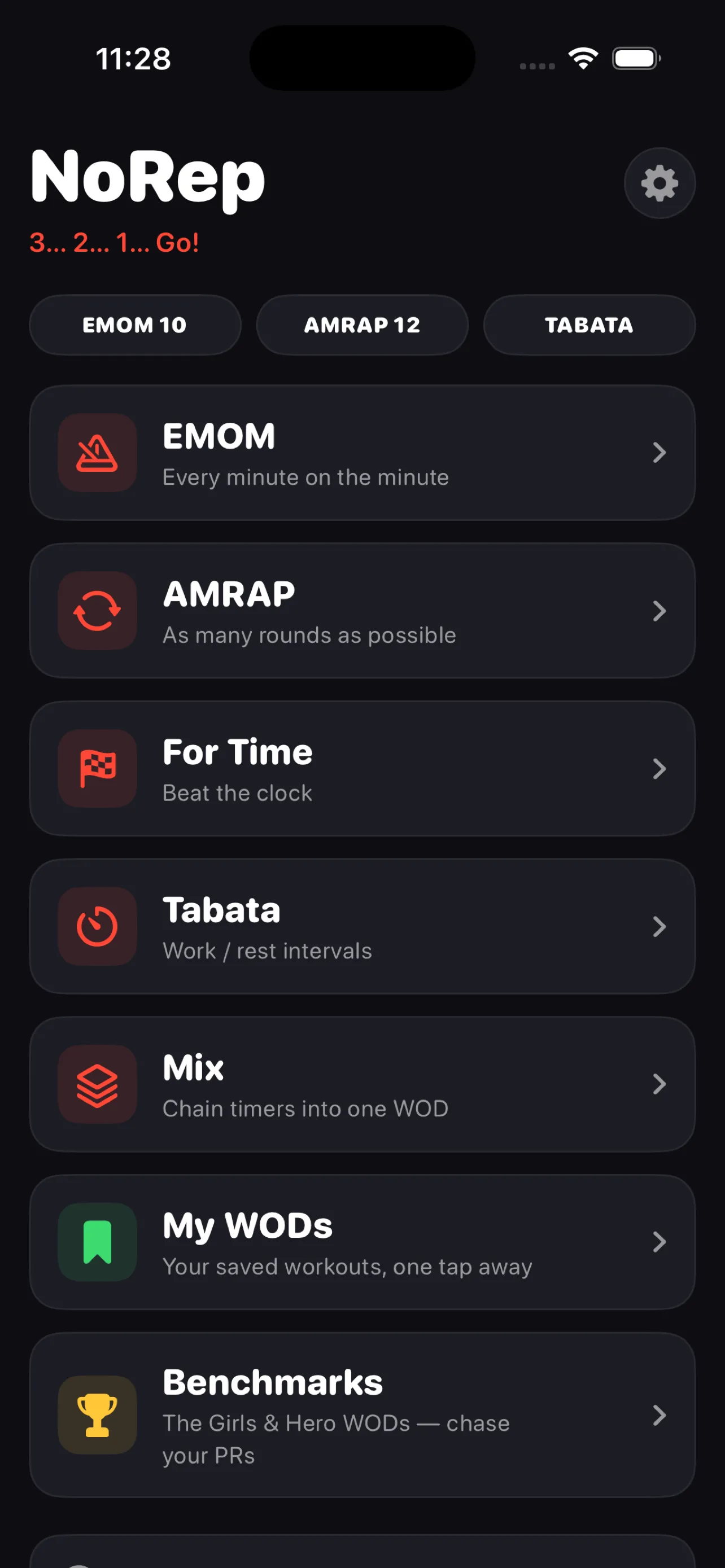
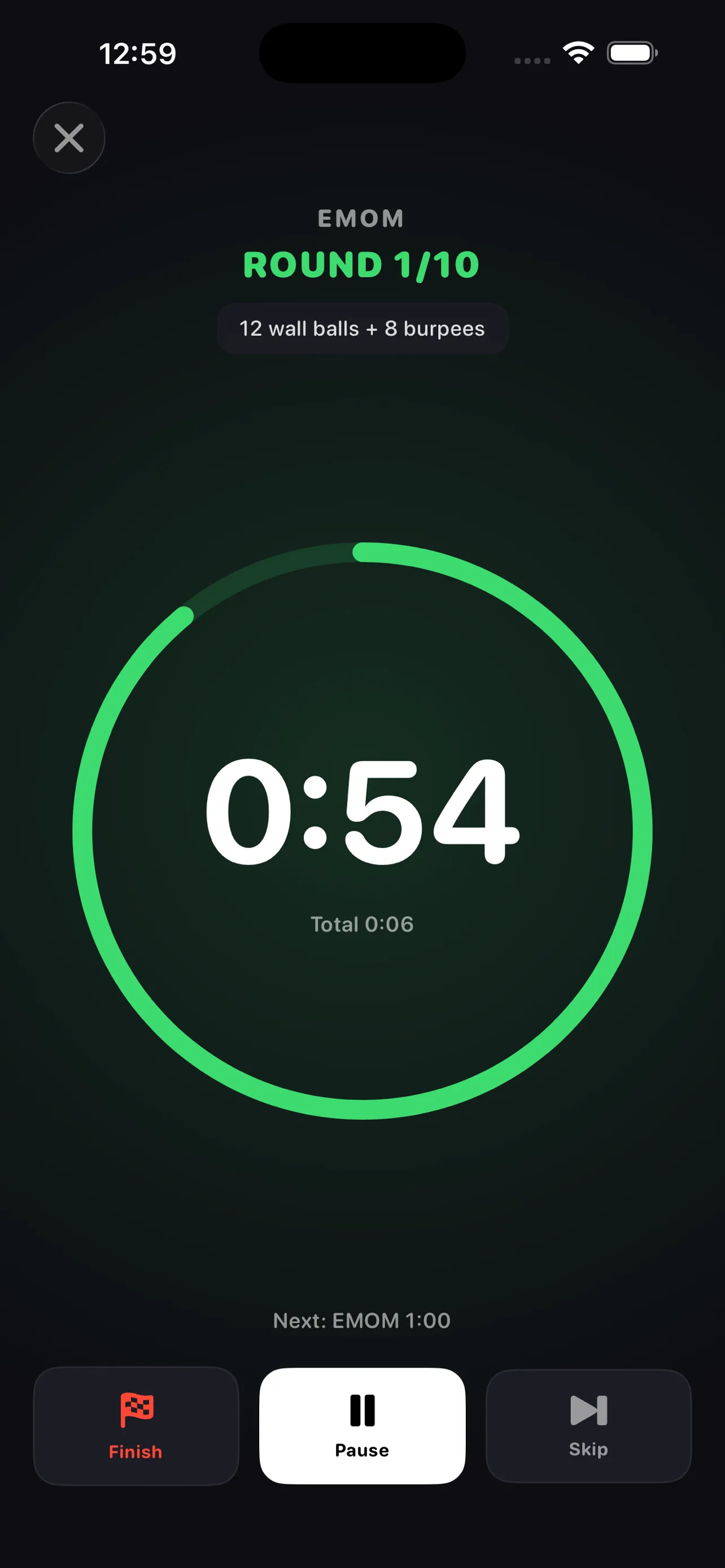
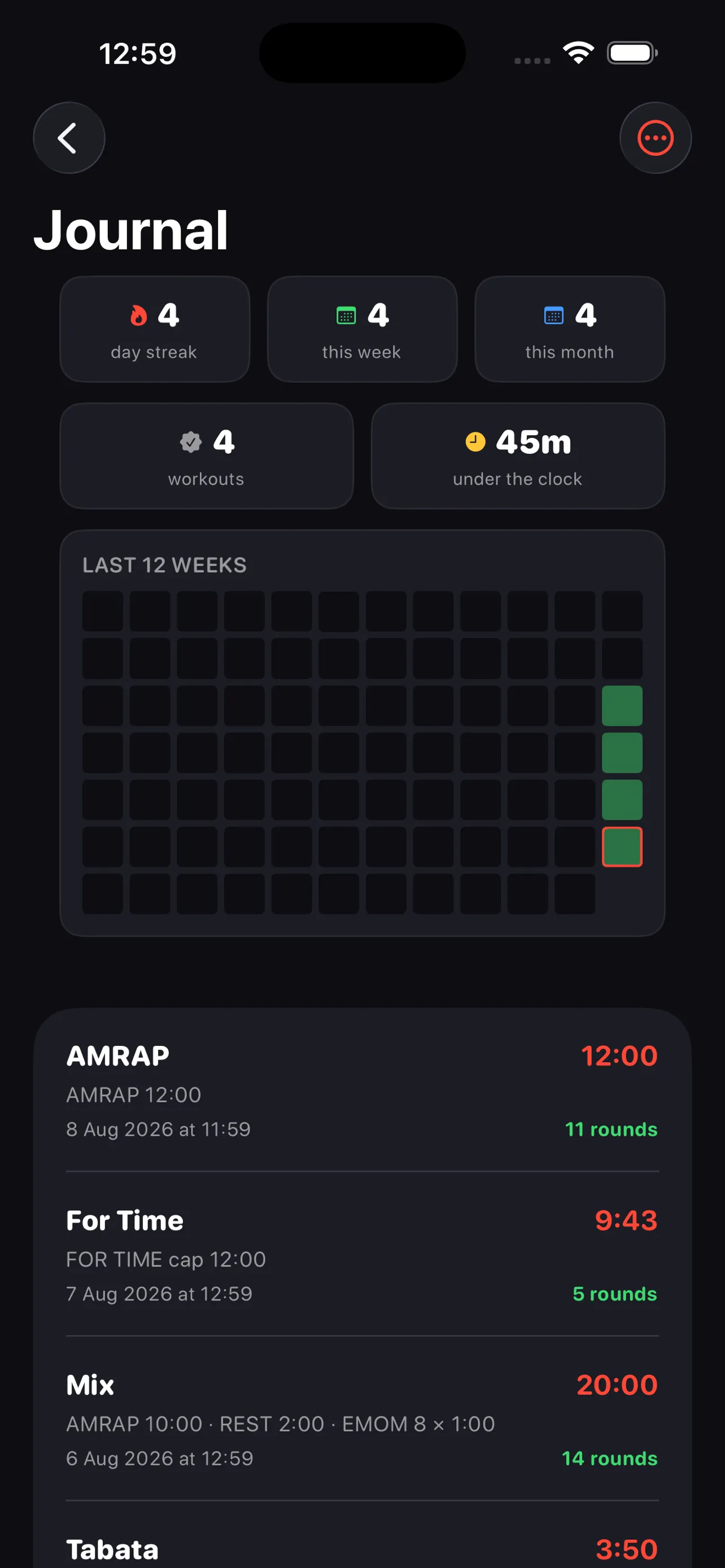
The two iOS apps began as something I had wanted to do for years, so I learned Swift and did it — two apps on the App Store, designed, written, localised and released by me. Nobody asked for them, which is rather the point. That habit turned out to be the useful part of the job as well: most of the operations tooling I depend on at work I built myself. I would rather build the thing that answers a question than wait for it to come back as a ticket.
None of this was a plan. But standing at each position in turn — producing the work, checking it, running the people who do both, and then doing all of it alone — turns out to be a useful way to understand why technical work goes wrong.